In short
What Is A2P Messaging?
A2P (application-to-person) messaging is any message sent from a software application to a mobile user rather than from one person to another — OTPs, transaction alerts, delivery updates and appointment reminders. It is sent through a messaging API or gateway, is subject to regulatory registration such as DLT in India, and returns delivery reports the sending system can act on.
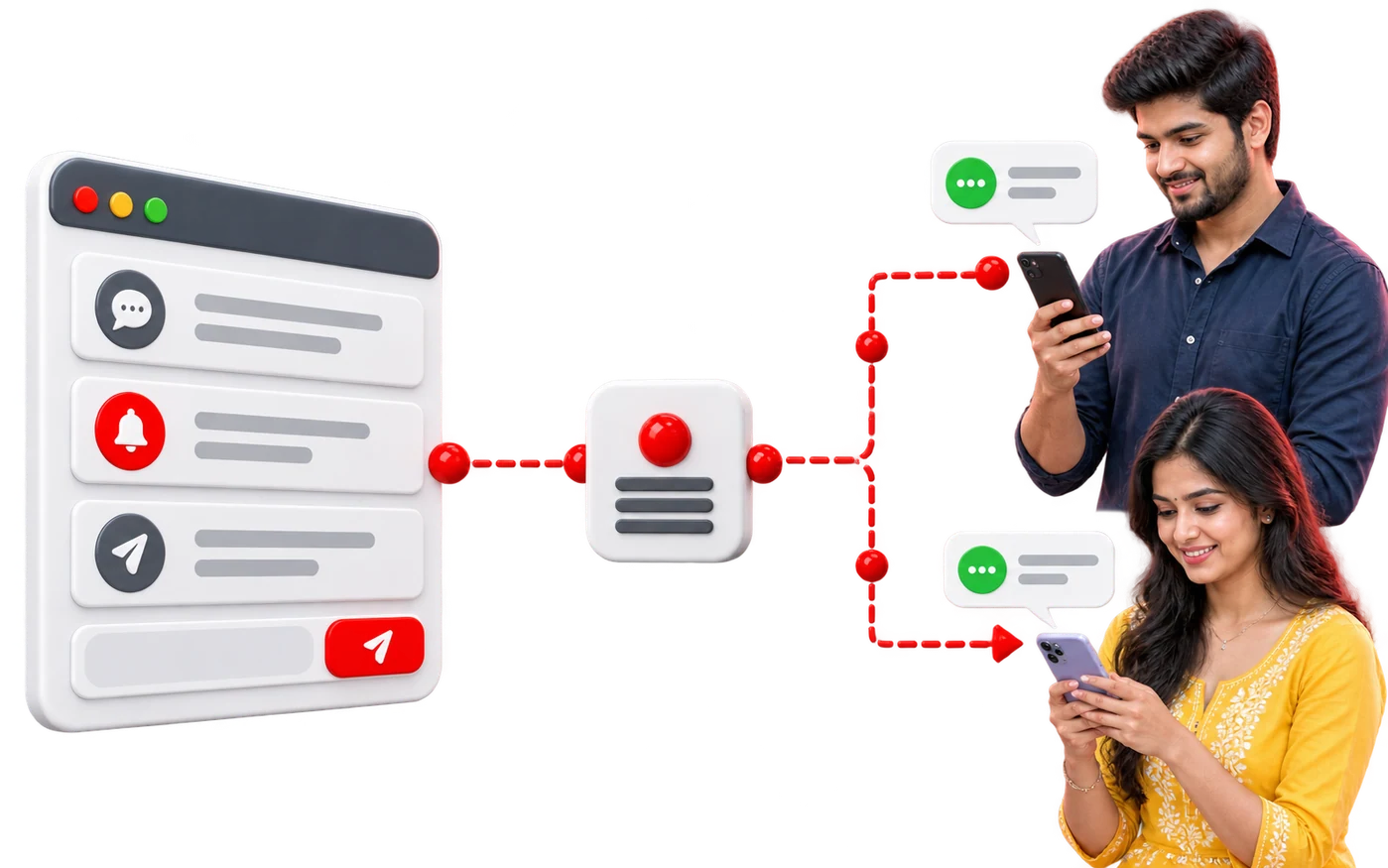
Almost every message a business sends at scale is A2P: the OTP that lets a customer log in, the alert confirming a payment, the notification that a consignment is out for delivery. The category exists because messages generated by software behave differently from messages typed by people — in volume, in timing, in commercial terms and in regulation.
How A2P messaging works
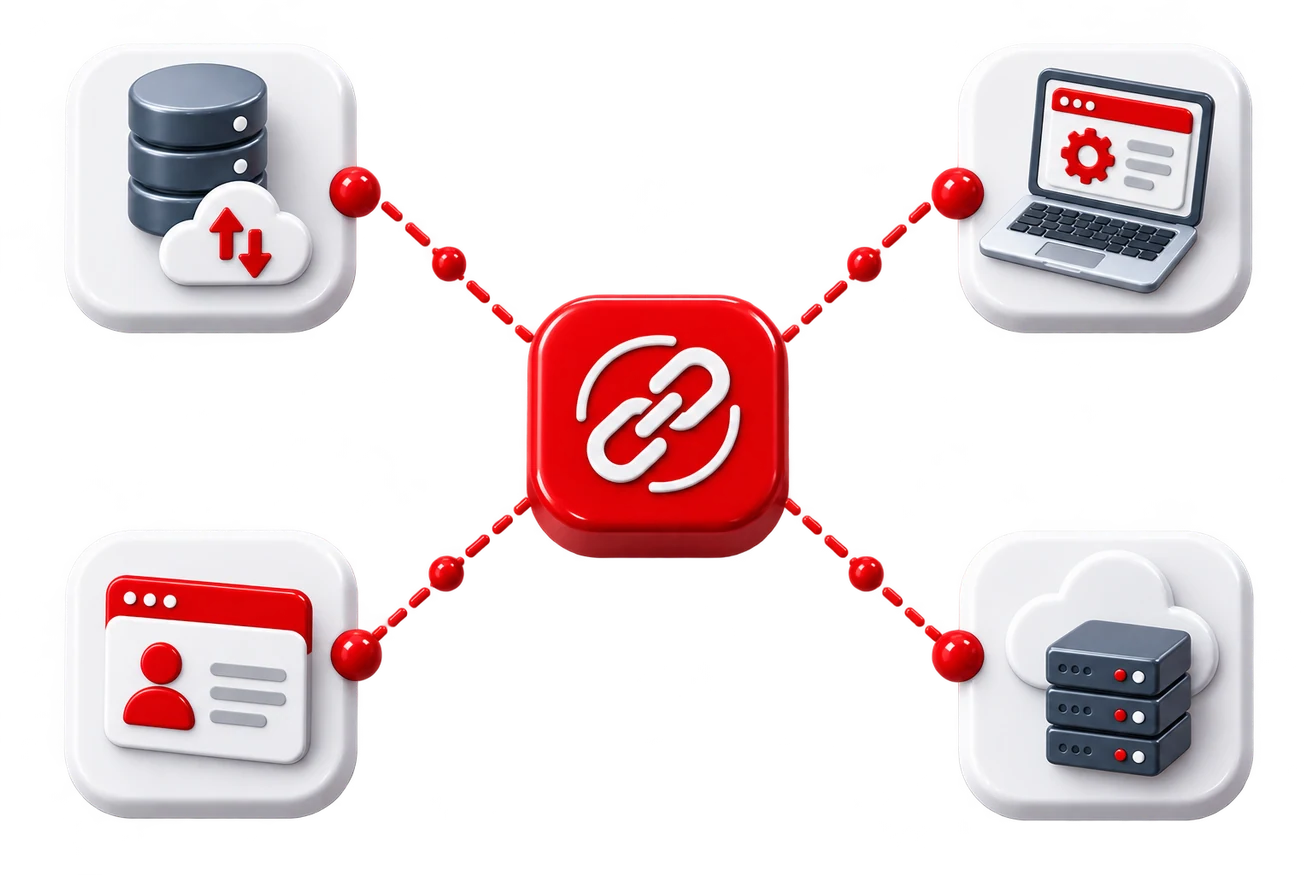
The chain is short. Your application calls a messaging API with a recipient, a sender identity and a message body. The provider validates it against your registered templates and routes it to an aggregator, which passes it to the recipient's mobile operator for delivery to the handset. The operator returns a delivery receipt, which the provider passes back to your application — usually as a webhook.
That last step is the one businesses most often skip, and it is the one that turns messaging from a hopeful broadcast into a system you can operate. Without delivery receipts you cannot retry failures, cannot clean invalid numbers, and cannot prove that an OTP was delivered.
Transactional and promotional traffic
| Transactional | Promotional | |
|---|---|---|
| Purpose | Information the user is expecting | Marketing and offers |
| Examples | OTP, payment confirmation, dispatch alert | Sale announcements, campaigns |
| Consent | Implied by the transaction | Explicit opt-in required |
| Timing rules | Any time, including DND numbers where permitted | Restricted hours, DND numbers excluded |
| Priority | High — routed for speed | Lower — routed for cost |
Mixing the two is a common and expensive mistake. Putting a promotional line into a transactional template can get the template rejected or the traffic reclassified, which slows down the OTPs your login flow depends on.
Regulatory registration in India
Commercial SMS in India requires registration on a DLT platform: the entity, the sender IDs (headers) and each message template must be registered and approved before traffic flows. Messages that do not match an approved template are rejected at the network level.
Practically, this means template design belongs in your project plan, not in launch week. Variables must be positioned so the template covers every message you intend to send, because each change requires re-approval.
Where A2P is the right choice
- One-time passwords and login verification, where universal device reach matters
- Time-critical transaction alerts that must arrive regardless of app installation
- Delivery and appointment notifications to customers you have no other channel for
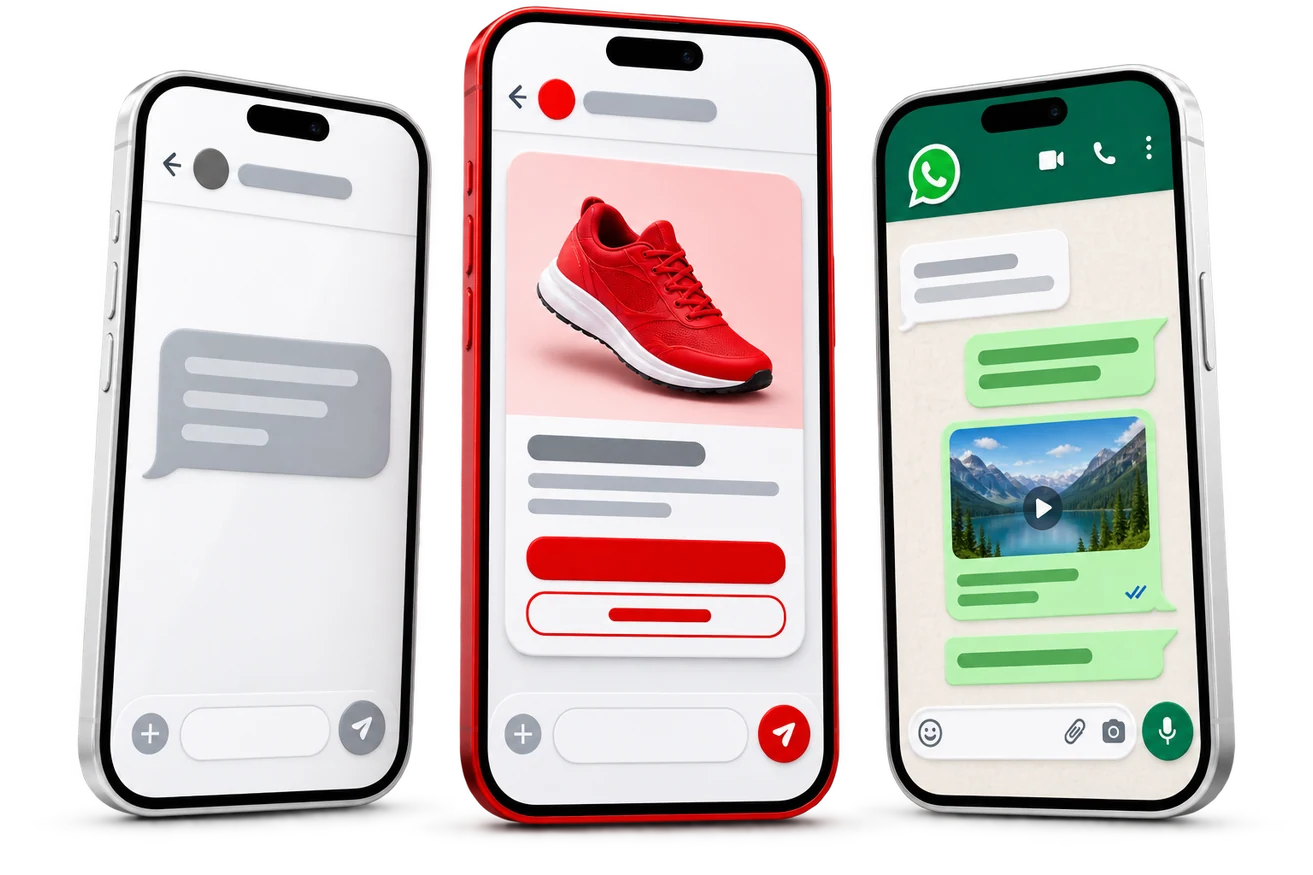
- Fallback when a richer channel such as WhatsApp or RCS fails to deliver
SMS remains the lowest common denominator: it works on every phone, needs no application, and requires no prior relationship beyond a valid number. That reach is precisely why it is still the default for authentication.
Building it properly
- Send through an API from your application, triggered by events — never from a panel someone logs into
- Consume delivery webhooks and store the status against the record that triggered the message
- Implement retry with backoff for transient failures, and a fallback channel for hard failures
- Validate and normalise numbers before sending — number intelligence services reduce spend on unreachable numbers
- Rate-limit OTP requests per number to prevent abuse of your messaging balance
- Keep an audit log: what was sent, to whom, when, through which route, with what final status
Done this way, messaging becomes part of your application rather than a separate tool — which is the difference between a notification system you can rely on and one you discover was broken three weeks ago.
Frequently asked questions
What is the difference between A2P and P2P messaging?
P2P (person-to-person) is one human texting another from a handset. A2P (application-to-person) is software sending to a human — automated, high volume, and routed through a commercial gateway with delivery reporting and regulatory registration.
What is DLT registration?
In India, businesses sending commercial SMS must register their entity, sender IDs and message templates on a Distributed Ledger Technology platform through a telecom operator. Unregistered templates are rejected at the network, so registration has to happen before launch, not after.
Is WhatsApp Business API also A2P?
Functionally yes — it is application-to-person messaging over WhatsApp rather than SMS, with its own template approval process instead of DLT registration.
WRITTEN BY THE REDLITMUS TEAM · COMMUNICATION TECHNOLOGY · LAST UPDATED 15 JULY 2026